
About Us
History
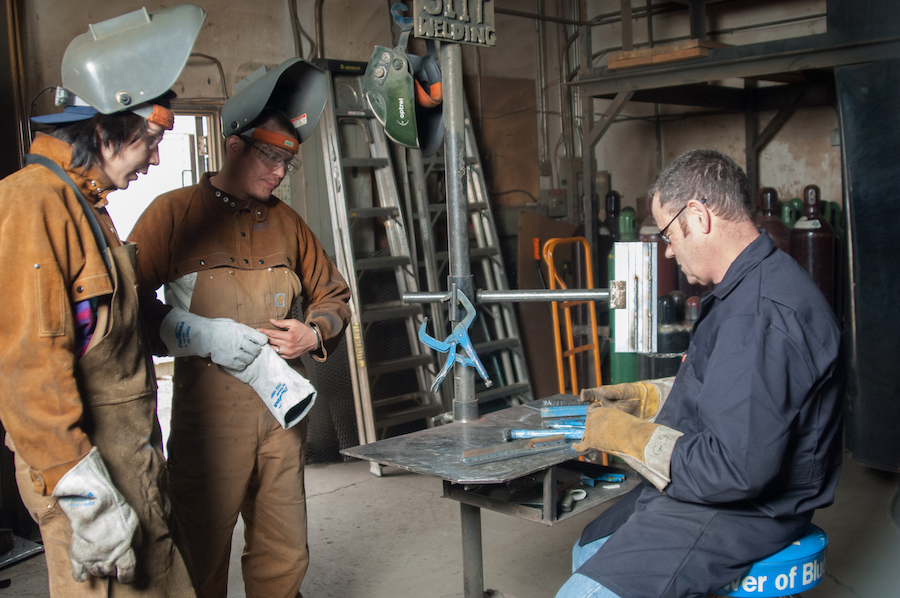
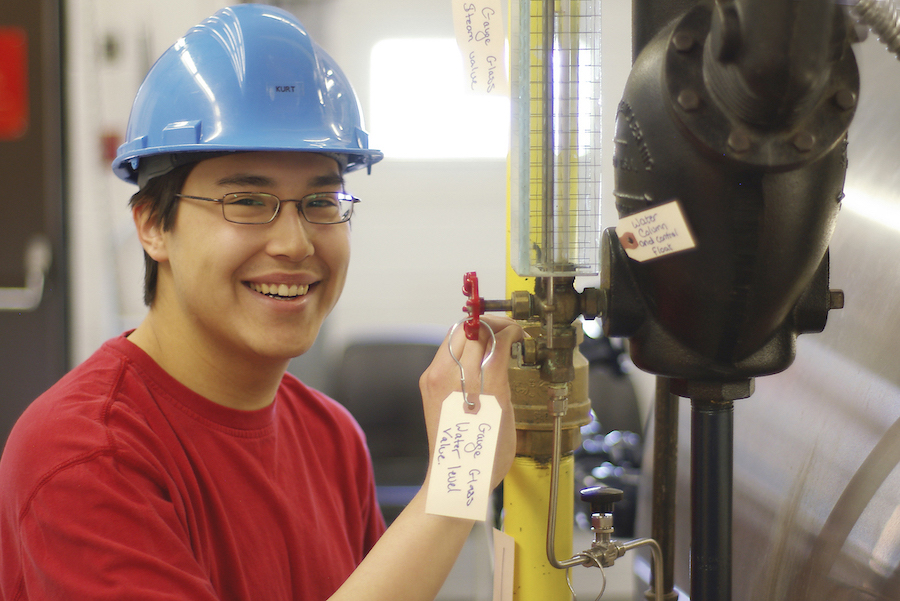
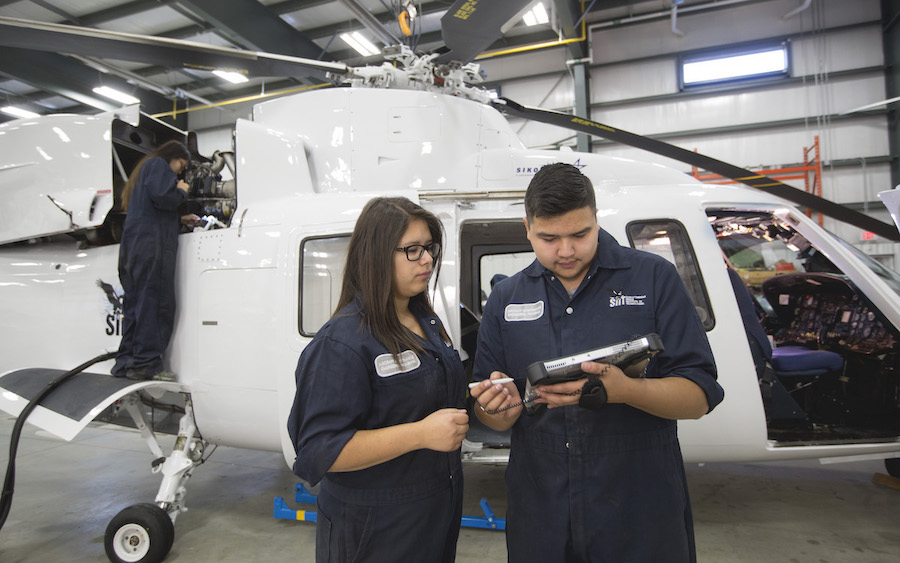
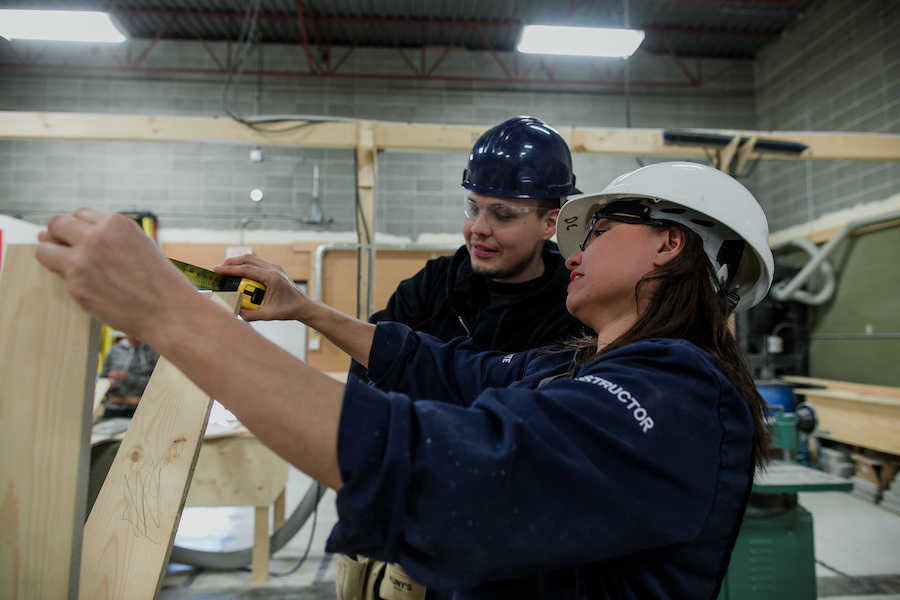
Saskatchewan Indian Institute of Technologies (SIIT) is a First Nations-governed educational institution, one of only four credit-granting post-secondary institutions in the province- and the only credit granting Indigenous institution. SIIT provides adult learners with academic, vocational and technical training as well as services and supports for employment and career growth. Indigenous learners are at the core of SIIT, representing over 90% of the student body.
Vision and Mandate
SIIT’s Strategic Plan sets out a bold Vision: “Through student-focused, market-relevant programs and services in an Indigenous learning environment, we create work-ready achievers and role models who appreciate the value of learning now and in the future”.
In all things, SIIT is committed to maintaining a First Nations focus and is dedicated to ongoing collaboration with First Nations stakeholders and communities to implement learner-focused strategies. SIIT recognizes a broad array of stakeholders that includes students, job seekers, graduates, instructors, educators, training partners, employers, Elders, First Nations leaders and communities, SIIT staff, management and board.
Our History
Established in 1976 as the Saskatchewan Indian Community College, SIIT was created in response to the need for quality post-secondary education for Indigenous people in an environment that promotes traditional ways and supports success. SIIT originally delivered adult academic upgrading and later branched into post-secondary programs.
With increases in funding, SIIT expanded its base of satellite colleges and added fully certified occupational courses and curriculum to its program offerings. In 1985, the Federation of Sovereign Indigenous Nations (FSIN) passed an Act respecting the Saskatchewan Indian Institute of Technologies. In 2000, the Province of Saskatchewan conferred SIIT the authority to grant certificates, diplomas and credits by passing the Saskatchewan Indian Institute of Technologies Act- making SIIT the only credit-granting Indigenous institution in the Province.
Our Existing Network
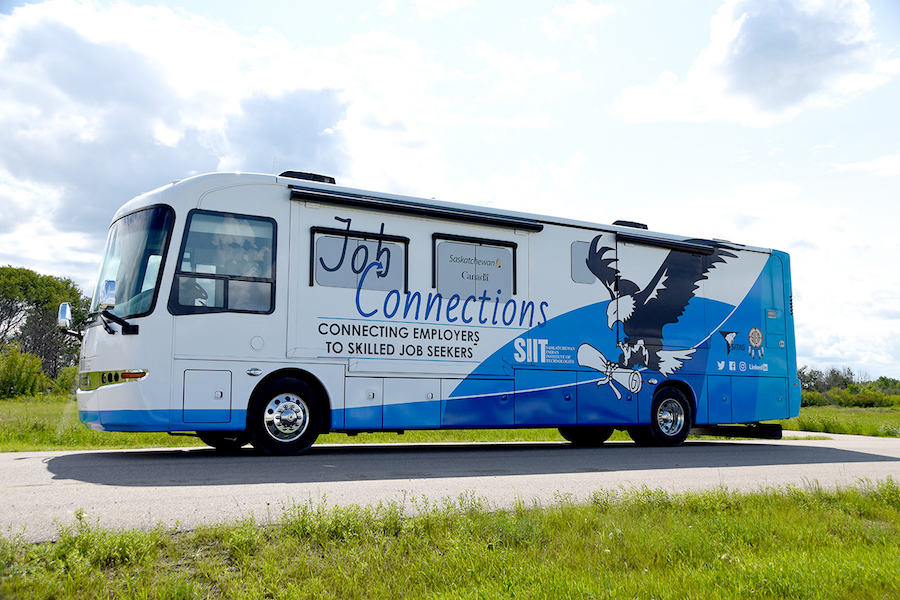
SIIT continues to expand its provincial impact and now encompasses a network of three principal campus sites, nine strategically located career and trades training centres, two mobile job connection units, and over 35 community learning sites.
SIIT maintains focus on advancement of post-secondary education, adult education and skill development for all First Nation peoples through multiple pathways that support student success. One of SIIT’s key strategies is to enter into partnerships to ensure growth, innovation, and opportunity for Indigenous people.
For more information about SIIT, please contact marketing.communications@siit.ca







Saskatchewan Indian Institute of Technologies
Head Office
Suite 100-103A Packham Avenue
Asimakaniseekan Askiy Reserve
Saskatoon, SK S7N 4K4
306-244-4444